
Big Ideas,
Real Impact.
Herbert Circular Futures is connecting local industry, growers, community leaders and researchers to explore circular economy opportunities that support better land and water outcomes across the Herbert catchment.
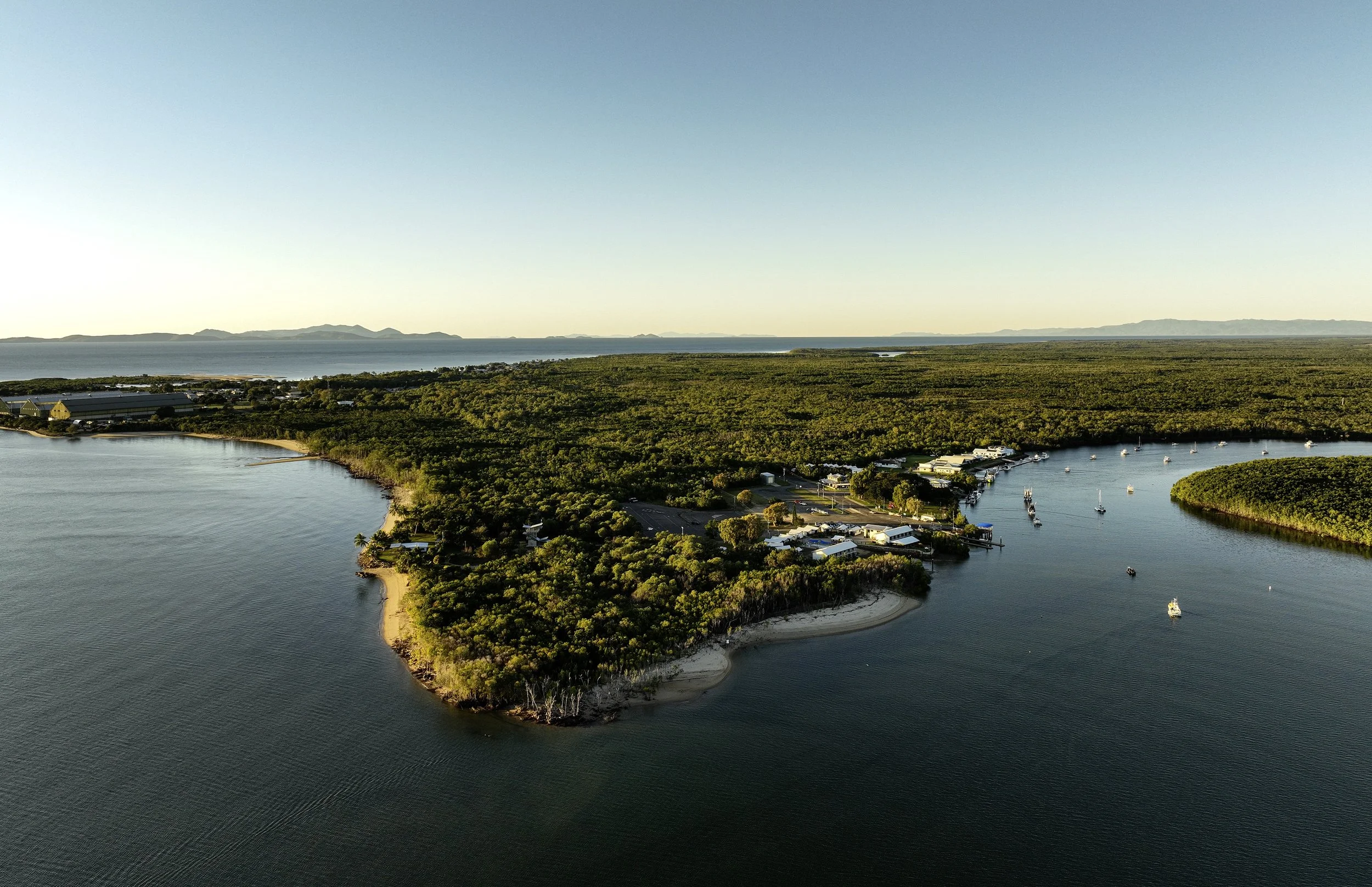
Herbert Circular Futures is an initiative of the Herbert Integrated Project, helping stakeholders identify and act on circular opportunities to reduce waste, improve water quality and strengthen regional productivity across the Upper and Lower Herbert catchment.
The Herbert Integrated Project is a collaborative, whole-of-system initiative. It treats the catchment as one connected system - integrating land management, industry partnerships and community-led action to deliver water quality outcomes and meaningful co-benefits for the community.
About the Herbert Integrated Project
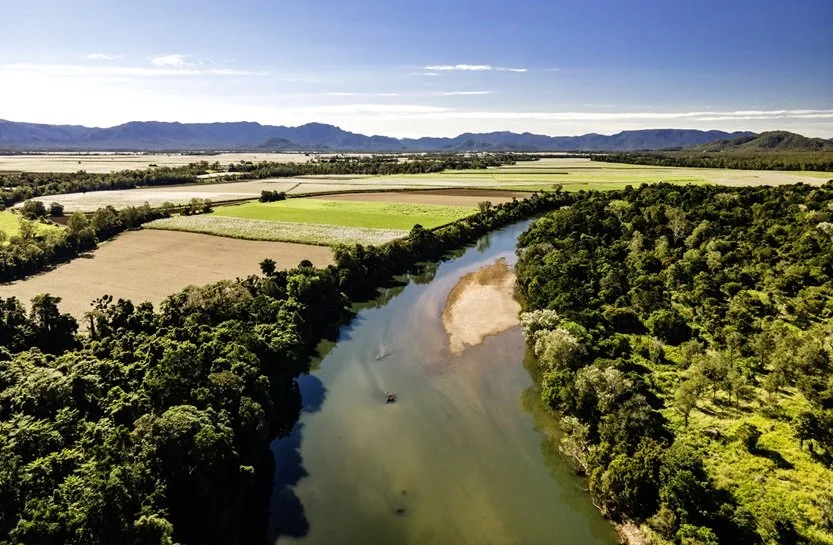
The Herbert Integrated Project is a two-year initiative working alongside growers, industry, Traditional Owners, councils, NRM practitioners and community members to further improve reef water quality in the Herbert. HIP takes a whole-of-system approach, treating the Upper and Lower Herbert as one connected catchment so that water quality outcomes are delivered alongside lasting co-benefits for the community. The project is funded through the Queensland Government's Queensland Reef Water Quality Program and led by Terrain NRM.
About the Herbert Catchment

About Herbert Circular Futures
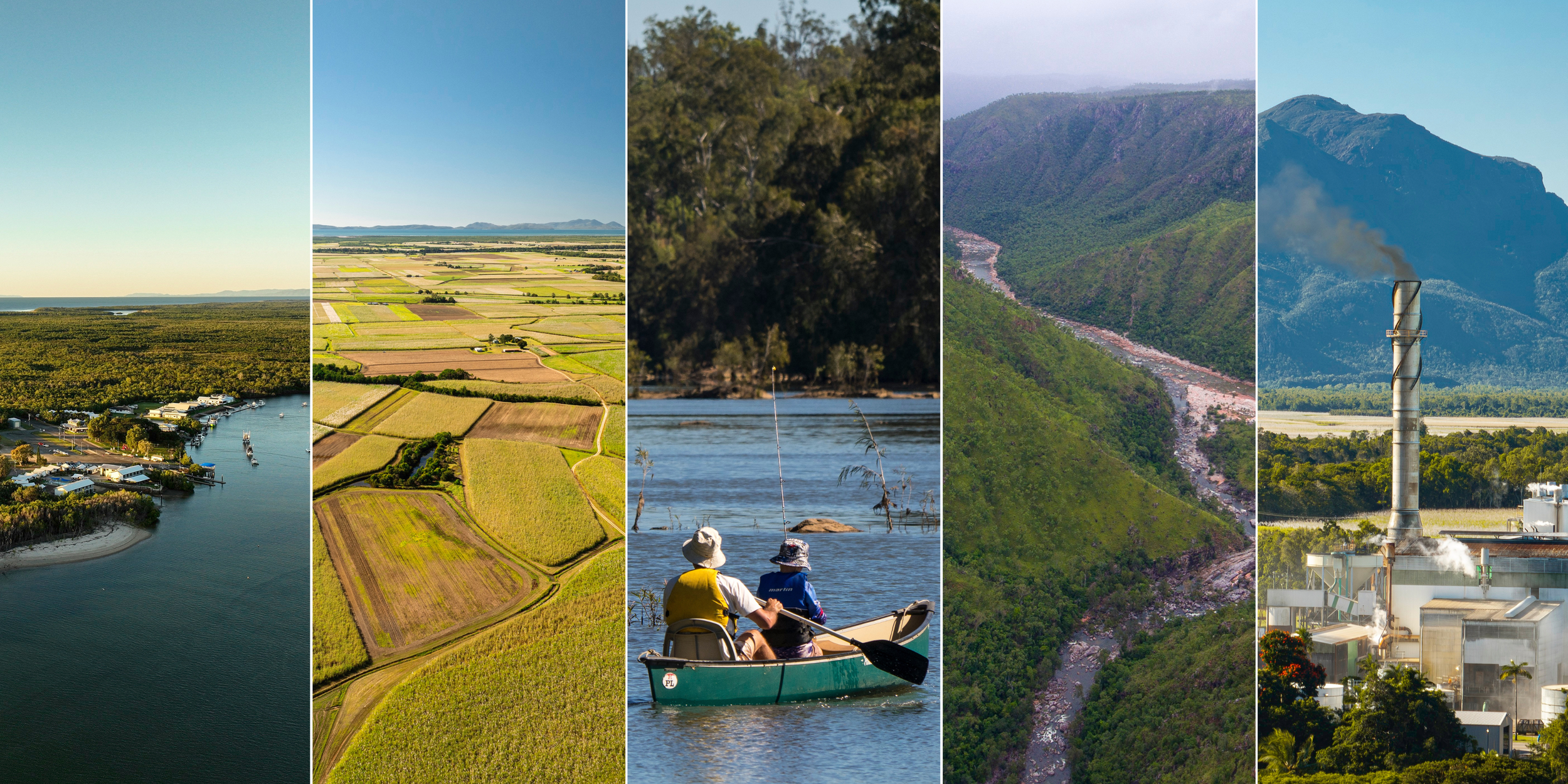
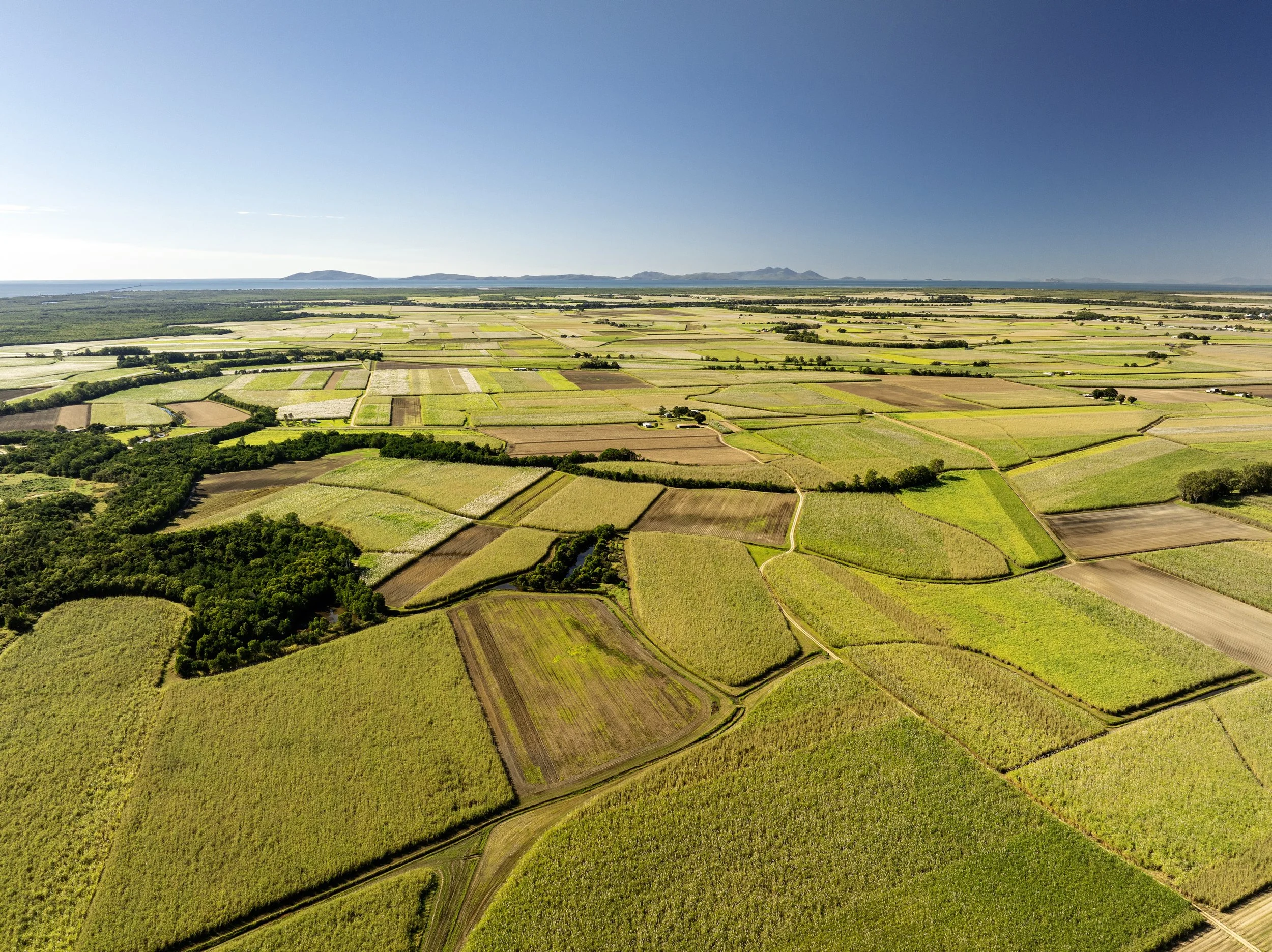
The Herbert River catchment spans almost 10,000 square kilometres of North Queensland, from the Atherton Tablelands to the Coral Sea at Hinchinbrook. It is home to two of Australia's largest sugar mills, extensive beef country, productive horticulture, World Heritage rainforest and wetlands of national significance, and flows directly to the Great Barrier Reef. A working landscape, and an irreplaceable one.
Herbert Circular Futures is the circular economy stream of the Herbert Integrated Project. It identifies practical opportunities to recover value from the resources already moving through the catchment, from mill by-products and crop residues to nutrients, organics, tyres, drums and batteries. The goal is straightforward: cut waste, create commercial value, strengthen land and water outcomes, and build lasting regional capacity.
Herbert Circular Futures is delivered by Futures Foundry as a subproject of the
The Herbert Integrated Project is funded through the Queensland Government’s Queensland Reef Water Quality Program and delivered by Terrain NRM in partnership with Hinchinbrook Shire Council, Herbert Cane Productivity Services Ltd, Canegrowers Herbert River, JCU TropWater, QCAR, Agforce, and DPI.
Why Circular Economy, and why the Herbert?
The Herbert sits in the heart of one of the great agricultural and ecological landscapes on the planet. Our catchment flows directly to the Great Barrier Reef, a World Heritage icon that underpins tourism, fisheries, cultural identity and tens of thousands of jobs across North Queensland. Looking after it is part of what makes the Herbert, the Herbert.
It is also a working catchment. Sugarcane, beef, horticulture, and small business drive the regional economy, and the people who run those enterprises are already some of the most innovative land managers in the country.
Reef 2050 and the new Wet Tropics Water Quality Strategy set a shared, long-term ambition for the region: healthy production systems, healthy waterways and a healthy reef, side by side.
Working together for a healthy catchment and healthy community.
A circular economy approach is not an extra layer of work. It is a sharper way of looking at the value already moving through our catchment, and capturing more of it here at home. For the Herbert, that means we can:
Cut waste and material loss across the catchment, so mill by-products, crop residues, nutrients, organics, tyres, drums and batteries are recovered as inputs to the next productive use, not lost as cost or pollution.
Create commercial value and diversify regional revenue, by turning under-used resources into new products, services and enterprises that keep margins, jobs and investment in Hinchinbrook and the Tablelands.
Strengthen land and water quality outcomes, by reducing nutrient, sediment and waste leakage at the source, supporting productive soils, healthy waterways and a healthier reef.
Build community capacity and open up new environmental markets, so growers, mills, councils, Traditional Owners and local businesses are positioned to participate in stewardship, biodiversity, carbon and nature-based finance markets as they mature.
Leverage investment for lasting co-benefits, by supporting projects that deliver economic, environmental and social returns to the region for the long term.
Upcoming Events -
Register Now -
Upcoming Events - Register Now -
Hinchinbrook Circular Economy Masterclass
This Masterclass is for Hinchinbrook businesses and policy makers, in the Lower Herbert catchment, who want practical, profitable ways to do business better. Over the session you will explore how cutting waste, getting more value from your inputs and looking after the country your business depends on can strengthen your bottom line, open up new markets and help build a more productive, resilient regional economy.
Tablelands Circular Economy Masterclass
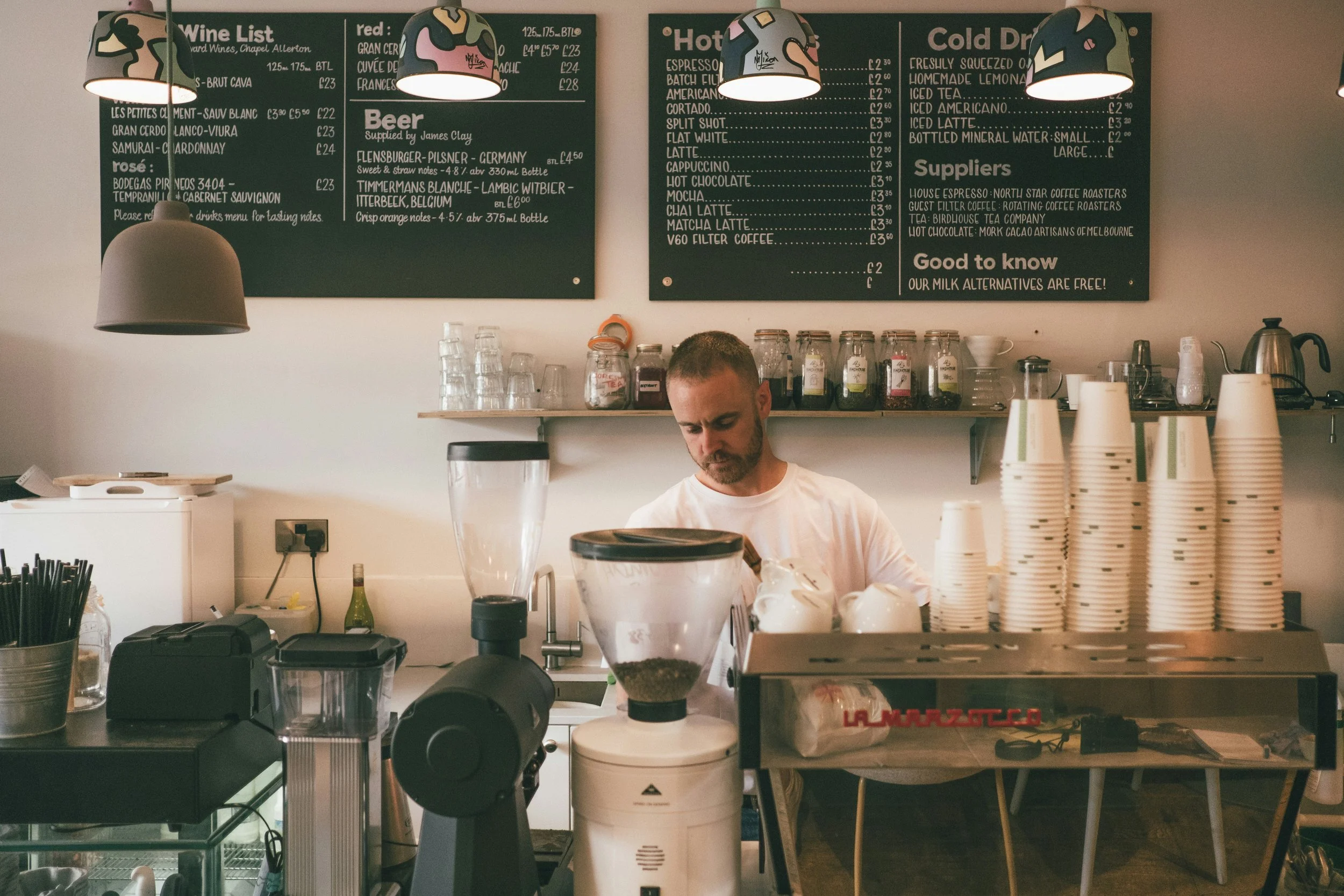
This Masterclass is for Atherton Tablelands businesses and policy makers, in the Upper Herbert catchment, who want practical, profitable ways to do business better. Over the session you will explore how cutting waste, getting more value from your inputs and looking after the country your business depends on can strengthen your bottom line, open up new markets and help build a more productive, resilient regional economy.
Smart businesss. Less waste.
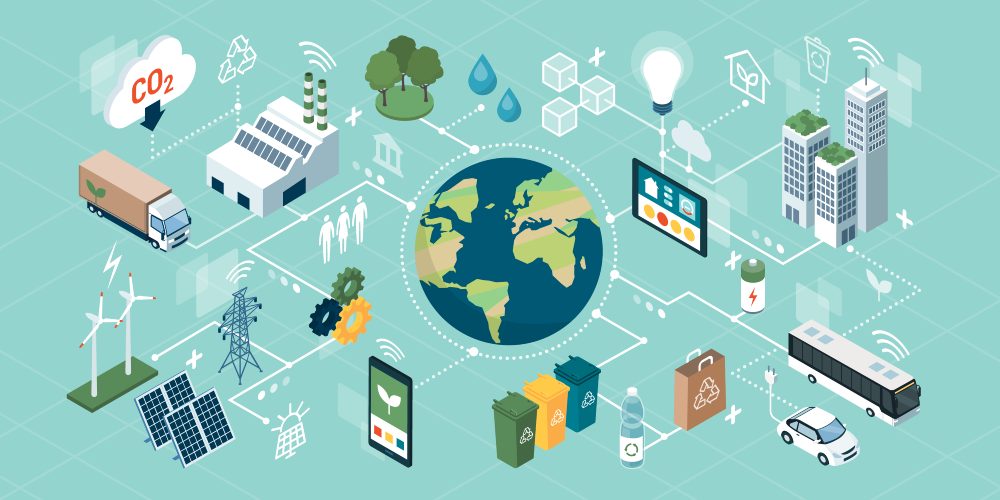
Join us for a practical fastpaced masterclass featuring national experts breaking down what the circular economy is, why customers and supply chains are demanding it, and how your business can use it to cut costs, reduce risks, and uncover new commercial opportunities.